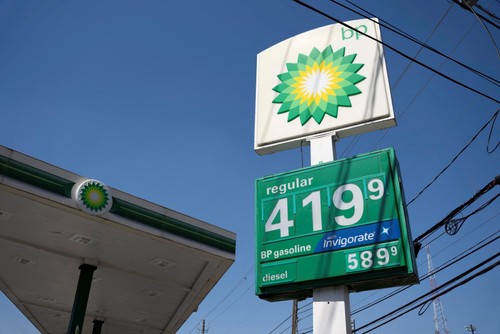
 Gasoline and diesel prices are displayed at a gas station in Atlanta, Georgia, the US, on March 20, 2026. (Photo: REUTERS/Alyssa Pointer) Gasoline and diesel prices are displayed at a gas station in Atlanta, Georgia, the US, on March 20, 2026. (Photo: REUTERS/Alyssa Pointer) |
President Donald Trump’s administration has reassured that the recent increase in oil prices is a temporary disruption. Speaking at the CERAWeek energy conference in Houston, Energy Secretary Chris Wright outlined Washington’s practical solutions, including facilitating oil shipments to Asian refineries and initiating the release of crude oil from the Strategic Petroleum Reserve (SPR).
The US aims to supply between 1.5 and 3 million barrels per day to help ease global shortages, Wright said.
Many European nations are searching for alternative energy sources. France has introduced indirect measures to shield its economy, such as reducing tax burdens, extending financial relief for affected sectors, and providing targeted support for the transportation and fisheries industries.
Paris has also asked refineries to assess the possibility of increasing output, though experts warn that spare capacity remains limited.
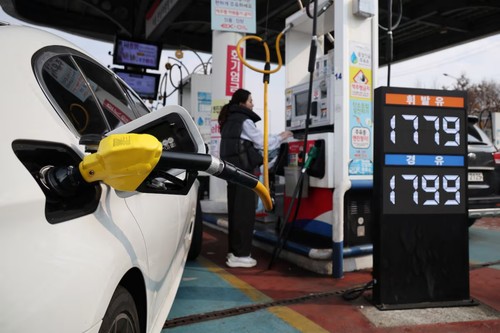 A gas station in Seoul, South Korea, on March 9, 2026. (Photo: REUTERS/Kim Hong-Ji) A gas station in Seoul, South Korea, on March 9, 2026. (Photo: REUTERS/Kim Hong-Ji) |
Prime Minister Sanae Takaichi announced that Japan will begin releasing national oil reserves starting this Thursday, following the prior use of private-sector stockpiles. In addition, Middle Eastern crude stored in Japan will be tapped by the end of the month.
South Korea is intensifying energy conservation efforts by reinforcing the mandatory “5-day vehicle rotation” system for public-sector vehicles in Seoul, while encouraging voluntary participation from the private sector.
Authorities noted that the measure could become mandatory if the oil supply crisis alert level is raised.