 Cybersecurity expert Vu Ngoc Son presents the NCS cybersecurity product ecosystem. (Photo: nscgroup.vn) Cybersecurity expert Vu Ngoc Son presents the NCS cybersecurity product ecosystem. (Photo: nscgroup.vn) |
Digital assets are created, stored, traded, and processed entirely in cyberspace, unlike physical assets that can be touched or held. Because of their intangible nature, they have both enormous potential and inherent risks.
Vu Ngoc Son, Head of the Research, Consulting, Technology Development and International Cooperation Department at the National Cybersecurity Association (NCA), said that digital assets are similar to any other valuable asset in real life, stocks or other types of investments, which are subject to ups and downs.
“The difference is that these fluctuations aren’t regulated by current laws and depend heavily on investor behavior. That’s why digital assets carry cybersecurity risks in addition to the normal risks tied to society, finance, and the economy. In short, digital assets are far more vulnerable than physical ones,” said Son.
According to Son, who is also Chief Technology Officer at the Vietnam National Cyber Security Technology Corporation (NCS), risks do not only come from hackers but also from policy shifts and international conflicts.
“Risks can arise from policy changes, new regulations, or a conflict between nations, any of which can cause the value of digital assets to plummet instantly. Cyberattacks pose two major threats. First, hackers can steal investors’ assets. Second, such attacks can trigger panic among the crowd, leading to a loss of confidence and sharp market-driven declines,” said Son.
Son said the introduction of the Law on the Digital Technology Industry is expected to “bring digital assets into the light” and this marks the first time digital assets have been legally recognized in Vietnam.
He said: “We already have a National Assembly resolution that allows pilot testing of sandbox models for digital asset exchanges — the first legal framework of its kind. But in order for digital asset and blockchain ecosystems to operate, we need more detailed guidance and regulations, from licensing and service provision requirements to ensuring full compliance with Vietnamese law. At the same time, these regulations must also be aligned with international practices.”
The global factor is equally critical, he said, adding, “Digital assets only have real value when they are connected to and recognized worldwide. If they are restricted to Vietnam’s market alone, it will be very difficult to attract foreign capital.”
To reduce risks, Son called for coordinated action across multiple fronts, involving state regulators, service providers, and investors themselves.
“This means completing the legal framework, setting clear technology and operational standards, and raising cybersecurity awareness among system operators, technicians, and investors. Finally, international cooperation is essential, because digital assets only have real value when they are connected across systems and recognized globally,” said Son.
For individual investors, Son advised choosing trading platforms carefully, prioritizing those with transparent ownership and strong reputations.
He said: “Placing digital assets on an exchange platform is like depositing money in a bank,” said Son, affirming, “Unlike traditional banks, which have spent decades refining processes for human resource management, technology systems, and risk control—backed by a strong legal framework to protect depositors—digital banks and exchange platforms exist completely outside these safeguards. With no clear standards in place, investor awareness of cybersecurity and data protection becomes the critical factor.”
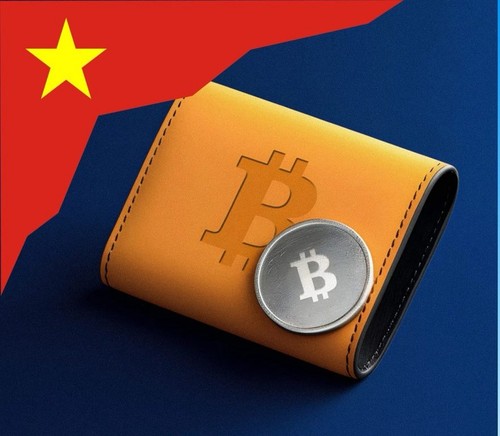 The introduction of the Law on the Digital Technology Industry is believed to protect millions of Vietnamese now own digital assets, with young people making up a significant share. (Photo: GM Vietnam) The introduction of the Law on the Digital Technology Industry is believed to protect millions of Vietnamese now own digital assets, with young people making up a significant share. (Photo: GM Vietnam) |
Son said that there is no one-size-fits-all approach to managing digital assets, as each country tailors its formula based on legal structures and technological readiness and capacity.
While Vietnam has been recognized as an early mover, officially acknowledging digital assets and piloting sandbox models, challenges remain significant. Most Vietnamese investors still trade on overseas platforms, exposing themselves to considerable legal risks.
In conclusion, Son reaffirmed the prospects of digital assets: “Despite the enormous risks, the potential of digital assets is immense, as shown by their rapid growth. This is a new game and we must learn to adapt—finding the right approaches to engaging with this digital space to unlock its value and ensure safety at the same time.”
Digital assets open a new chapter for Vietnam’s digital economy. But with opportunities come unprecedented challenges in cybersecurity and legal governance. Protecting these assets has therefore become an urgent priority to safeguard investors, uphold market confidence, and ensure long-term sustainability.